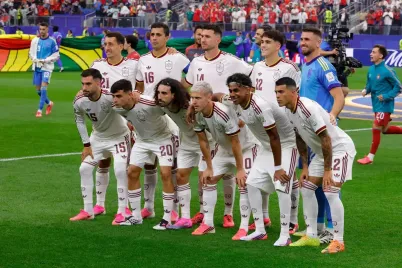

Canada’s long wait for a positive result on football’s biggest stage finally came to an end as Jesse Marsch’s side fought back from behind to secure a 1-1 draw against Bosnia and Herzegovina in Toronto. While the home supporters left BMO Field believing their team could have taken all three points, the final whistle nevertheless marked a significant moment in Canadian football history, with the hosts earning their first-ever point at a FIFA World Cup.
The occasion carried enormous significance before a ball had even been kicked. Canada entered the tournament under pressure as one of the host nations and with memories of previous World Cup disappointments still fresh. The challenge presented by Bosnia and Herzegovina was far from straightforward. Making only their second appearance at the finals, the European side arrived determined to show they belonged on the world stage and carried the confidence of a team that had battled through a difficult qualification campaign to reach North America.
From the opening whistle, the hosts attempted to seize control. The atmosphere inside the stadium was tense but optimistic as Canada looked to establish an early rhythm through Stephen Eustáquio and Ismaël Koné in midfield. Several promising attacks developed down the flanks, with Tajon Buchanan and Liam Millar providing width and pace against a disciplined Bosnian back line. Despite the encouraging start, clear-cut opportunities proved difficult to create as Bosnia defended with impressive organisation.
Bosnia, meanwhile, showed almost immediately that they were not content simply to sit back and absorb pressure. Their attacking intent was evident whenever possession was won, with Ermedin Demirović and Jovo Lukić posing problems through direct movement and clever positioning. Canada goalkeeper Maxime Crépeau was required to stay alert as Bosnia tested the defensive structure of the hosts during the opening exchanges.
The breakthrough arrived after 21 minutes and stunned much of the crowd. A Bosnian corner was delivered into the penalty area, where the Canadian defence failed to deal convincingly with the danger. Lukić rose highest to meet the ball and directed a powerful header beyond Crépeau, giving Bosnia and Herzegovina a priceless lead. The goal sparked jubilant celebrations among the travelling support and immediately shifted the pressure firmly onto the home side.
Conceding seemed to energise Canada rather than deflate them. Jonathan David, expected to shoulder much of the attacking responsibility throughout the tournament, began finding more space between the Bosnian midfield and defence. One promising opportunity saw him force the issue inside the penalty area, while a series of corners generated sustained pressure. Bosnia, however, remained compact and disciplined, repeatedly getting bodies behind the ball to frustrate the hosts.
As the first half progressed, Canada increasingly dominated possession. Eustáquio’s deliveries from set pieces became a constant source of threat and several dangerous moments unfolded in quick succession. Yet every promising attack seemed to end with a crucial defensive intervention. Bosnia’s defenders threw themselves into blocks, challenged aggressively in aerial duels and protected goalkeeper Nikola Vasilj effectively. The hosts were generating momentum but lacked the decisive finish required to level the scores.
Frustration grew as halftime approached. Canada enjoyed a flurry of corners and half chances, while Bosnia looked dangerous whenever they launched quick counter-attacks. The visitors also demonstrated a physical edge, collecting yellow cards during a fiercely contested period before the interval. Despite Canada’s territorial dominance, the scoreboard remained unchanged, and Bosnia entered the dressing room holding a valuable 1-0 advantage.
Marsch faced an important decision during the break. His side had largely controlled the game but lacked a cutting edge in front of goal. The Canadian coach urged his players to remain patient while increasing the tempo of their attacking play. Bosnia manager Sergej Barbarez, by contrast, could be satisfied with both the resilience and tactical discipline displayed by his team. His players had executed their game plan effectively and were now within touching distance of a famous victory.
The second half began with Canada pushing even higher up the pitch. Bosnia remained content to defend deep and attempt to exploit spaces left behind by the advancing hosts. Every Canadian attack was greeted with growing anticipation from the crowd, yet chances continued to come and go without reward. The pressure was mounting, but Bosnia’s defensive resolve showed no sign of cracking.
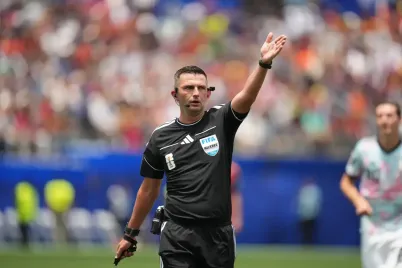
One of the more unusual moments of the tournament occurred during the second half when a newly introduced anti-time-wasting regulation was enforced for the first time. Bosnia were penalised for delaying a throw-in, resulting in possession being handed to Canada. The decision generated discussion both inside the stadium and among viewers, highlighting FIFA’s determination to speed up play during the competition.
As the clock ticked down, Marsch turned to his bench in search of inspiration. The introduction of fresh attacking options increased the urgency of Canada’s approach. Promise David, one of the substitutes tasked with changing the game, immediately offered a different dimension with his movement and physical presence. Bosnia suddenly found themselves being pushed deeper and deeper into their own half.
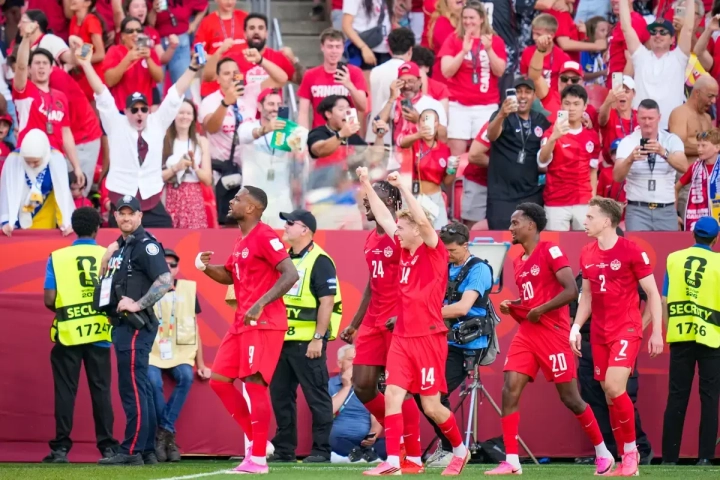
The breakthrough Canada desperately needed finally arrived in the 78th minute. A clever attacking move developed around the edge of the penalty area before Promise David produced an intelligent touch that redirected the ball into the path of fellow substitute Cyle Larin. The experienced striker reacted instinctively, guiding the ball into the net to send the stadium into celebration. After so much pressure and so many missed opportunities, Canada had at last found their equaliser.
The goal transformed the atmosphere entirely. What had previously felt like a potentially disappointing evening suddenly became an occasion filled with belief and momentum. Canada sensed a winner was possible, while Bosnia faced the difficult task of regaining their composure after seeing their lead disappear late in the match.
The final stages produced drama at both ends. Canada continued to commit players forward and looked the more likely side to snatch victory. Several dangerous crosses flashed across the penalty area, while Bosnia were forced into desperate defensive actions to preserve the draw. One particularly important block prevented what appeared to be a clear scoring opportunity and underlined the determination that had characterised Bosnia’s performance throughout the evening.
Yet Bosnia refused to abandon their own ambitions. Counter-attacks remained a threat and Canada could not afford to become reckless in their pursuit of a winner. Every turnover created nervous moments for the home support as Bosnia attempted to punish the hosts on the break. Those exchanges added a layer of tension to an already compelling contest.
When the final whistle eventually arrived after a lengthy period of stoppage time, both teams experienced mixed emotions. Canada could reflect on a performance full of attacking intent and resilience. Falling behind early might have derailed previous generations, but this squad demonstrated the mentality required to compete at the highest level. At the same time, there was an unmistakable feeling that a victory had been within reach. Canada finished with superior possession, more attempts on goal and a significant advantage in corner kicks, underlining the extent of their control over large portions of the contest.
For Bosnia and Herzegovina, the draw represented a valuable reward for an organised and committed display. Although surrendering a late lead was disappointing, taking a point from the tournament hosts in the opening group match strengthened their hopes of progressing to the knockout rounds. Their defensive organisation, aerial strength and willingness to compete physically suggested they will be difficult opponents for anyone in Group B.
Much attention afterwards focused on Larin’s impact from the bench. The striker’s ability to deliver in a pressure situation once again demonstrated why he remains such an important figure for the national team. Equally influential was Promise David, whose clever contribution to the goal provided the spark Canada needed when the match appeared to be slipping away. Jonathan David also showed flashes of his quality despite not finding the net, while Eustáquio’s set-piece deliveries consistently tested the Bosnian defence.
At the other end of the pitch, Lukić emerged as Bosnia’s standout performer after scoring the opening goal and causing problems whenever he advanced into attacking positions. Sead Kolašinac’s experience was evident throughout, while Vasilj remained composed behind a defence that spent long periods under pressure. The visitors may not have enjoyed the majority of possession, but their organisation and efficiency ensured they remained competitive from first minute to last.
Speaking after the match, Marsch emphasised the positive aspects of Canada’s display while acknowledging the frustration of not converting more of the chances created. The Canadian coach highlighted his team’s determination and attacking ambition, praising the players for refusing to panic after falling behind. There was also recognition that lessons must be learned quickly if Canada are to turn promising performances into victories during the remainder of the tournament.
Barbarez struck a similarly balanced tone from the Bosnian perspective. While disappointed to concede so late, he praised his players for their courage and discipline against a talented host nation. The Bosnia manager noted that securing a point in the opening fixture keeps his side firmly in contention and underlined the character shown by his squad throughout a demanding evening.
The result leaves Group B finely poised. Canada will believe they have the quality to challenge for qualification if they can maintain the intensity and attacking creativity displayed in Toronto. Bosnia, meanwhile, demonstrated that they are capable of competing with higher-ranked opponents and will draw confidence from their ability to frustrate the hosts for long periods.
For Canadian football, however, the evening will be remembered for more than just a point. After previous World Cup campaigns ended without a positive result, the hosts finally have a tangible reward to show for their progress on the international stage. It was not the victory many had hoped for, but it was nevertheless a landmark moment and a reminder that this Canadian side possesses both resilience and belief.
Whether the draw ultimately proves enough to launch a successful tournament remains to be seen. What is certain is that Canada’s World Cup campaign is alive and well, while Bosnia and Herzegovina have already shown they are capable of upsetting expectations. If the remainder of Group B delivers the same drama, intensity and emotion witnessed in Toronto, supporters can look forward to a fascinating battle for qualification in the days ahead.