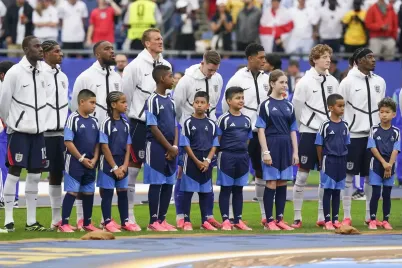

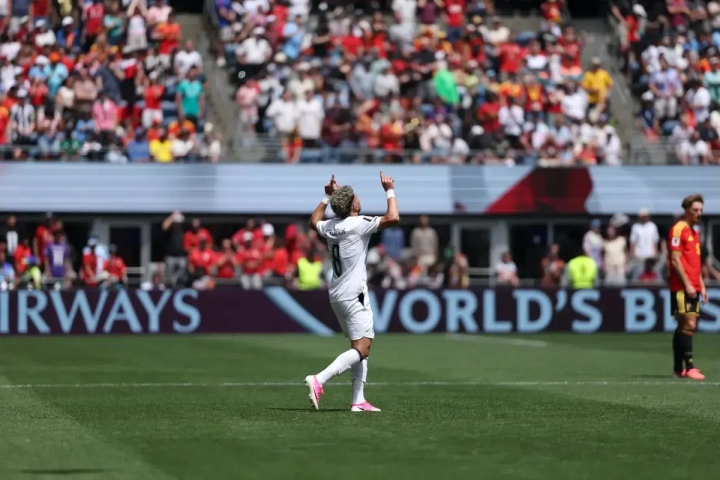
Belgium and Egypt opened their 2026 FIFA World Cup campaigns with an entertaining and fiercely contested 1-1 draw in Seattle, a result that left both teams with mixed emotions after a match packed with drama, tactical intrigue and several key turning points. Belgium entered the Group G encounter as favourites, boasting a squad filled with established stars and tournament experience, while Egypt arrived determined to prove they could compete with one of Europe’s strongest nations. By the final whistle, both sides had reason to feel satisfied and frustrated in equal measure.
The draw represented an encouraging start for Egypt, who came within touching distance of securing one of the most memorable victories in their World Cup history. Belgium, meanwhile, escaped with a point after spending much of the afternoon chasing the game. Their comeback owed much to the influence of substitute Romelu Lukaku, whose arrival transformed the contest and helped spark the equaliser that prevented an opening defeat.
Played in warm conditions before a large and enthusiastic crowd, the match began with Belgium attempting to establish control through possession. Kevin De Bruyne orchestrated attacks from midfield, looking to connect with the pace and creativity of Jérémy Doku and the movement of Belgium’s forward line. Egypt, however, showed from the opening minutes that they had not travelled to Seattle merely to defend. Organised, disciplined and confident on the ball, they looked dangerous whenever Mohamed Salah found space in transition.
Belgium enjoyed more of the early possession but struggled to break through Egypt’s defensive structure. The African side remained compact and patient, waiting for opportunities to counterattack. Their tactical discipline frustrated Belgium and gradually allowed them to grow into the match. Every time Belgium attempted to increase the tempo, Egypt found a way to disrupt their rhythm and force them into less dangerous areas of the pitch.
The breakthrough arrived in the 19th minute and it was Egypt who struck first. Salah once again demonstrated why he remains one of the most influential players in international football. Spotting an opening, he delivered a clever pass that found Emam Ashour in space. Ashour still had plenty to do, but he produced a superb finish that flew beyond the reach of Thibaut Courtois and into the net. The Egyptian supporters erupted in celebration as their side took a shock lead against one of the group favourites.
The goal was a reward for Egypt’s positive approach and their willingness to attack when opportunities appeared. Rather than sitting deep for the entire match, they had chosen moments carefully and executed their game plan perfectly. Ashour’s strike not only put Egypt ahead but also increased Belgium’s anxiety. Suddenly, the pressure shifted firmly onto the European side.
Belgium attempted to respond immediately. De Bruyne began seeing more of the ball and looked determined to drag his team back into the contest. Doku tried to stretch Egypt’s defence with his direct running, while Belgium pushed more players forward in search of an equaliser. Despite their efforts, clear chances remained difficult to create.
Egypt defended with tremendous concentration. Their back line remained organised, midfielders tracked runners diligently and goalkeeper Mohamed El Shenawy provided a reassuring presence whenever Belgium delivered crosses into the penalty area. Every successful defensive action further boosted Egypt’s confidence while increasing Belgian frustration.
As the first half progressed, Belgium’s attacking play became rushed. Several promising moves broke down due to poor decision-making in the final third. Doku, usually one of Belgium’s most dangerous attacking weapons, endured a difficult afternoon in front of goal and missed a notable opportunity before the interval. Egypt, meanwhile, looked increasingly comfortable and threatened to score a second whenever they broke forward.
Salah was at the heart of almost everything positive Egypt produced. The Liverpool legend combined effectively with Omar Marmoush and Ashour, creating uncertainty within Belgium’s defence. Courtois was called into action on multiple occasions and made important interventions to keep his team within reach of the match.
At half-time, Egypt deservedly held a 1-0 advantage. Belgium had enjoyed more possession but lacked cutting edge, while Egypt had defended intelligently and taken their best opportunity with impressive efficiency. The opening forty-five minutes belonged to the Pharaohs.
The second half began with Belgium showing greater urgency. Manager Rudi Garcia clearly wanted a stronger response and his players attempted to raise the intensity. De Bruyne came close from a set piece, striking the woodwork with a well-hit effort that signalled Belgium’s growing threat. Yet despite the increased pressure, Egypt continued to look capable of protecting their lead.
The longer the score remained unchanged, the more belief spread through the Egyptian ranks. Players threw themselves into challenges, tracked every run and maintained impressive discipline. The prospect of a historic World Cup victory appeared increasingly realistic.
However, football matches at the highest level can change in an instant, and Belgium’s turning point arrived in the 66th minute. Garcia decided it was time to introduce Romelu Lukaku. The experienced striker had not started the match but was brought on to provide a different dimension in attack.
The impact was immediate.
Within seconds of entering the pitch, Lukaku’s presence caused panic inside the Egyptian penalty area. Belgium attacked down the flank and delivered a dangerous ball into the box. Under pressure, Egyptian defender Mohamed Hany attempted to deal with the cross but inadvertently diverted the ball into his own net. Belgium were level at 1-1 and suddenly the momentum of the match had shifted dramatically.
Although Lukaku did not score, his influence on the equaliser was undeniable. Defenders immediately became more concerned about his positioning, strength and movement. The uncertainty he created contributed directly to the mistake that brought Belgium back into the game.
Following the equaliser, Belgium looked rejuvenated. Their passing became sharper and their attacks carried greater conviction. Egypt, having spent so long protecting their lead, suddenly found themselves needing to withstand a renewed wave of pressure.
The match entered its most exciting phase during the final twenty minutes. Both teams recognised that victory remained possible and neither side settled for simply protecting the draw. Belgium pushed forward searching for a winner, while Egypt continued to threaten on the counterattack.
Lukaku nearly completed the turnaround with several dangerous moments inside the penalty area. His physical presence stretched Egypt’s defence and created openings for teammates. De Bruyne also remained heavily involved, constantly searching for the decisive pass that could unlock the opposition.
Egypt refused to retreat entirely. Salah continued to pose problems whenever he received possession and Marmoush delivered an energetic display between the lines. On more than one occasion, Egypt looked capable of reclaiming the lead. Courtois was required to make key saves and demonstrated once again why he remains among the world’s elite goalkeepers.
A late penalty appeal from Egypt added further drama. The incident was reviewed, but no spot kick was awarded. Egyptian players and supporters felt they had a strong case, while Belgium breathed a sigh of relief as play continued. It was one of several moments that ensured the match remained tense until the final whistle.
As fatigue began to affect both sides, spaces opened across the pitch. Belgium created further opportunities but could not find the decisive goal. Egypt continued to battle tirelessly and defended with admirable determination. The final minutes were played at a frantic pace, with attacks flowing in both directions and every challenge carrying enormous significance.
When the referee eventually ended the contest, the score remained 1-1. The result reflected the competitive nature of the match and the quality shown by both teams. Egypt had demonstrated resilience, organisation and attacking threat, while Belgium showed character by recovering from a difficult position and avoiding defeat.
After the game, Belgium manager Rudi Garcia admitted his side had been disappointed not to start the tournament with a victory. He acknowledged that Egypt had caused significant problems and praised the African side’s organisation and commitment. Garcia highlighted the positive impact of Lukaku’s introduction, noting that the striker changed the dynamic of the match immediately after entering the field. He explained that Lukaku was not yet ready to play a full match from the start due to recent fitness concerns, but emphasised how important the forward remains to Belgium’s ambitions. Garcia also stressed that Belgium would now need a strong result in their next group match and admitted his team must improve if they are to progress deep into the tournament.
Egypt manager Hossam Hassan expressed pride in his players despite the disappointment of coming so close to a famous victory. He praised their discipline, work rate and tactical execution against one of the strongest teams in the group. Hassan highlighted the performances of Salah, Ashour and the defensive unit, noting that his players followed the game plan effectively for long periods. While acknowledging the frustration of conceding through an own goal, he insisted the result should give Egypt confidence for the remainder of the tournament. The coach believed his team had shown they can compete with anyone in the group and urged his players to build on the performance in upcoming matches.
Several individuals stood out during the contest. Salah delivered an excellent display, providing the assist for Egypt’s goal and constantly threatening Belgium’s defence. Ashour produced a memorable finish and worked tirelessly throughout the match. For Belgium, De Bruyne’s influence increased as the game progressed, while Lukaku’s substitute appearance ultimately changed the course of the encounter. Courtois also played a crucial role, making important saves that prevented Egypt from extending their lead.
From a wider tournament perspective, the draw leaves Group G finely balanced. Belgium may still be considered favourites to advance, but the result highlighted vulnerabilities that opponents will seek to exploit. Egypt, meanwhile, earned valuable belief and demonstrated that they possess enough quality to challenge for qualification.
The match also served as a reminder that reputations alone guarantee nothing at a World Cup. Belgium entered the contest expected to win, yet Egypt matched them in intensity, organisation and determination. The African side showed courage in possession and defended with conviction, earning a result that could prove significant as the group stage unfolds.
For Belgium, the challenge now is to build upon the second-half improvement and rediscover the consistency expected from a team with such talent. For Egypt, the focus will be on maintaining the same level of discipline and confidence in future matches.
In the end, neither side achieved exactly what they wanted, but both emerged from Seattle with reasons for optimism. Egypt proved they belong on the world stage, while Belgium demonstrated the resilience required to recover from adversity. The 1-1 draw may not have settled any arguments about Group G supremacy, but it delivered an entertaining spectacle and ensured that the race for qualification remains wide open. As opening matches go, it was a contest rich in drama, quality and significance, offering an early reminder of why the World Cup remains football’s greatest stage.